This year, International Girls in ICT Day is celebrated under the theme “AI for Development: Girls shaping the digital future”. It offers an important moment to reflect on both the progress made and the work still to be done, especially given that women currently hold only around 25% of technology jobs globally, despite making up half the workforce.
In Kibera, Kenya, change is not just being discussed, it’s being driven forward, on wheels. At the heart of this transformation is the Atlas Digi-AI Bus, a mobile classroom opening doors for girls who have historically been excluded from digital opportunities.
Parked along a busy roadside in Kibera, Nairobi’s most densely populated informal settlement, the Atlas Digi-AI Bus is far more than a vehicle. It serves as a safe, inclusive learning space, a creative hub, and, for many girls, their very first encounter with technology.
For girls in Kibera, access to digital education is often limited by overcrowded classrooms, a lack of resources, and persistent social barriers.

Yet digital skills are no longer optional; they are essential for employability, entrepreneurship, and long-term economic resilience. Without access to technology and training, many young people risk being left behind.
The Atlas Digi-AI Bus helps remove these barriers by bringing technology directly into the community and creating a space where girls can learn, explore, and build confidence.
“Before this, I had never used a computer like this,” says Mwende, 16. “Now I can create something of my own. It makes me feel like my ideas matter.”
Inside the Atlas Digi-AI Bus
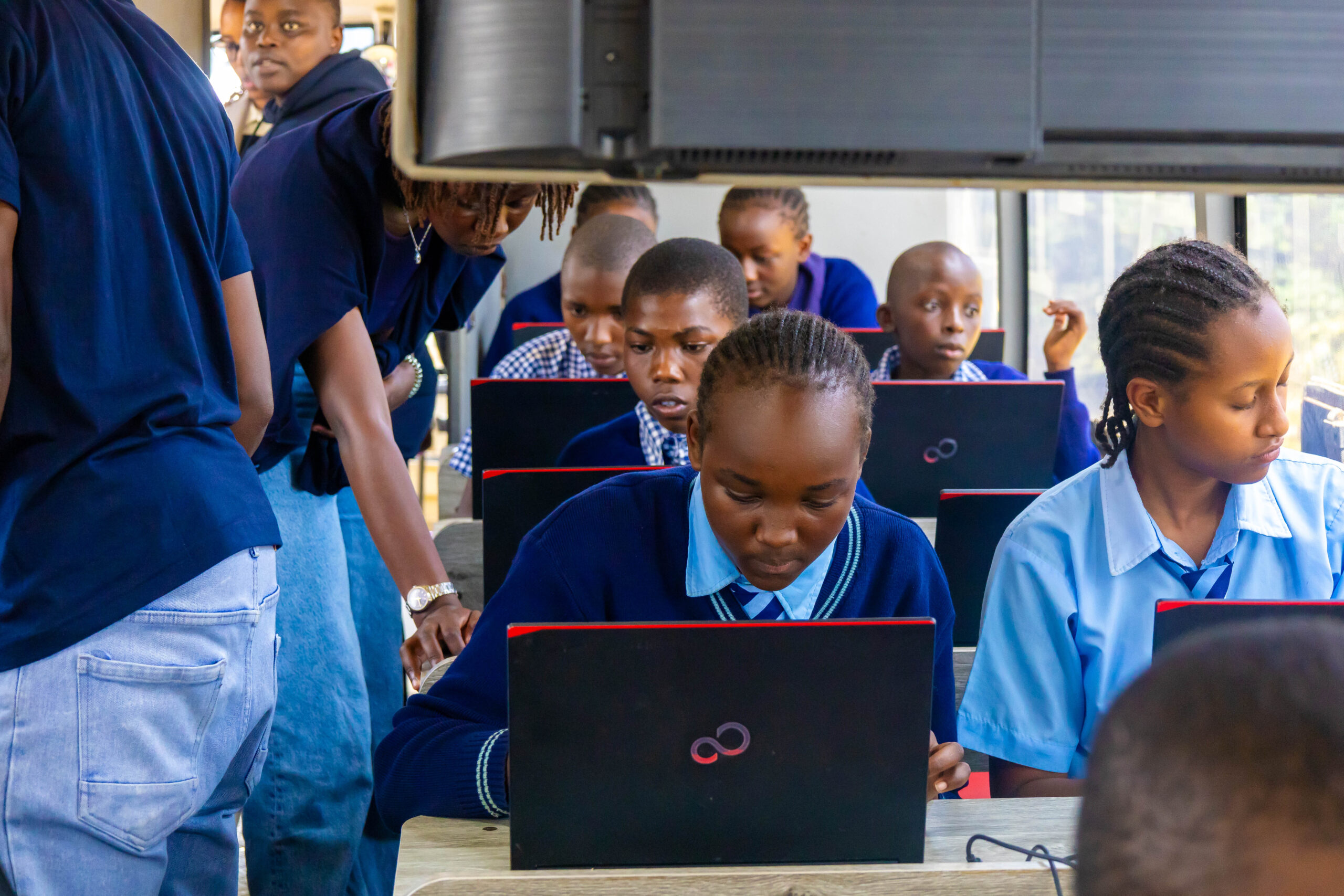
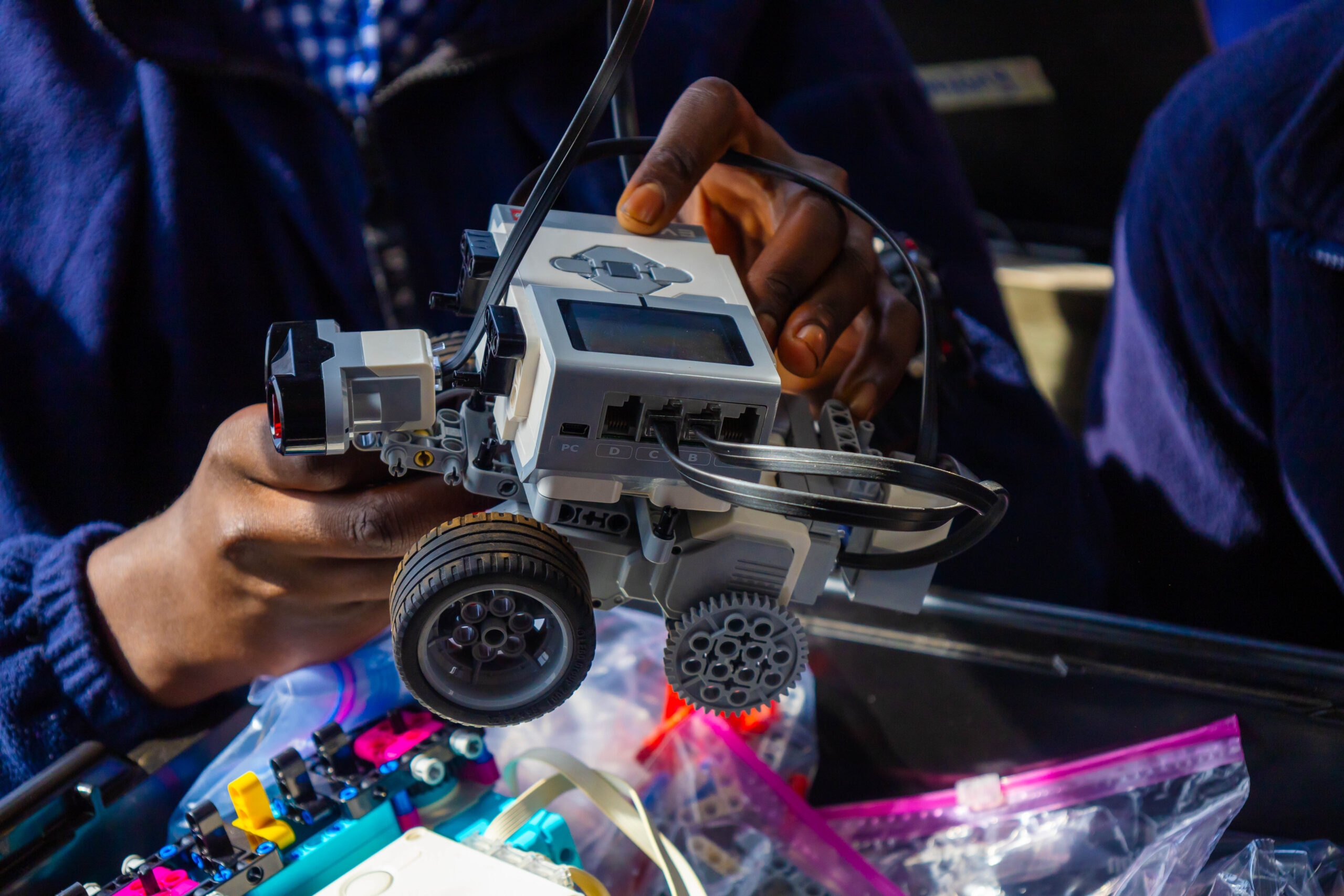
Inside the bus, learning is hands-on, interactive, and collaborative. Students are introduced to digital literacy, online safety, coding and programming, artificial intelligence, and robotics. These subjects equip them with practical, future-focused skills that support both employability and long-term opportunity.
“At first I was scared I would press the wrong thing,” one student admits. “Now I know I can’t break it, I can only learn.”
This shift, from hesitation to confidence, is visible in every session. Girls sit shoulder to shoulder, engaging with technology with growing curiosity, focus, and independence.
A Collective Shift Toward the Future
While technical skills are important, the deeper transformation lies in how the girls begin to see themselves. Confidence is growing—both individually and collectively. By learning together, they are building a support system that extends beyond the bus. They encourage one another, share knowledge, and celebrate progress as a group.
You can feel the energy change, girls who were quiet are now answering questions confidently without fear, collaborating, and even leading group work in school.
The exposure to technology that the Atlas Digi-AI bus brings is opening doors that once felt out of reach. Newfound ambitions are no longer abstract but grounded in real experience.
“When girls see what they can do with technology, their mindset changes.” Asha from Code Yetu explains. “They stop thinking ‘this is not for me’ and start thinking ‘why not me?’”
An Atlas Commitment
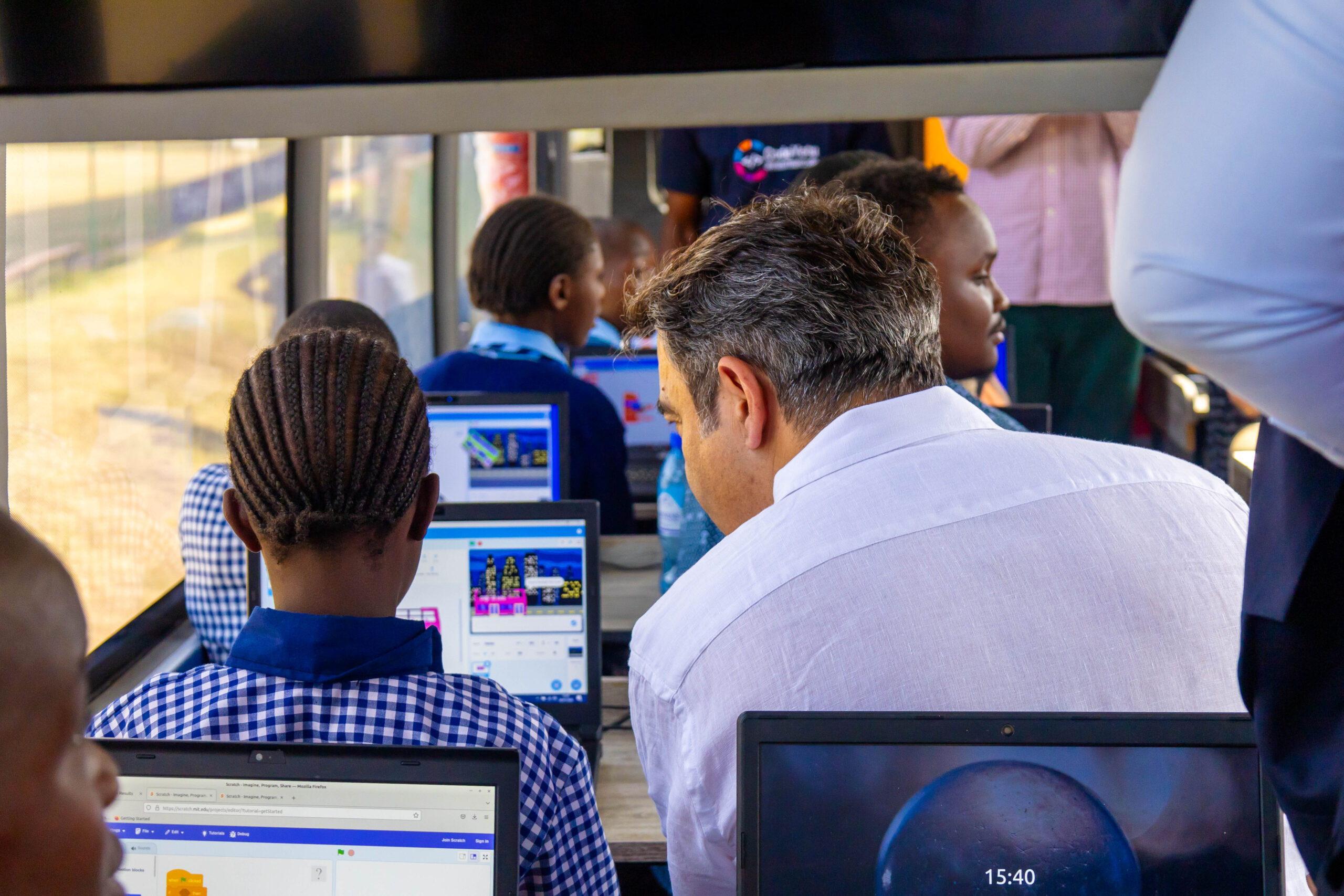
The Atlas-funded programme represents a commitment to inclusive growth, innovation, and opportunity. It recognises that digital skills are central to the future, and that girls must be part of shaping it.
By investing in access, confidence, and capability, initiatives like the Atlas Digi-AI Bus are helping ensure that no girl is left behind in the digital age.