Children are disproportionately affected by poverty. The Atlas Foundation is tackling this.
The Brutal Reality
According to research by the World Bank, Children continue to be disproportionately affected, comprising more than 50 per cent of those in extreme poverty, although their share of the global population is just 30 per cent. In 2024, an estimated 412 million children aged 17 or younger were residing in households living on less than $3 a day, the extreme poverty line.
Multidimensional
Poverty is not only a matter of income. UNICEF’s report in 2025 found that more than 400 million children are missing out on at least two essential needs, such as nutrition, sanitation, health care or education. UNICEF warns that the global funding cuts, conflict and climate change threaten access to the services that children rely on for their health and wellbeing. The consequences are already visible: UNICEF projects that 6 million more children could be out of school by the next year if funding shortfalls continue.
.
A Spotlight on Khelo
Atlas work in India, through the local project partner of Khelo Rugby, is just one example of our work against statistics of poverty.
In some of the most deprived communities and slums of Kolkata, education is often seen as an unaffordable luxury. Schools are poorly resources, with few computers, basic classrooms and absent teachers. Some children have to travel up to 7km to attend school. Around 20% of the young people within Khelo Rugby live in extreme poverty, with many failing Class 10 (the final year of secondary school), closing the door on further education and opportunity.
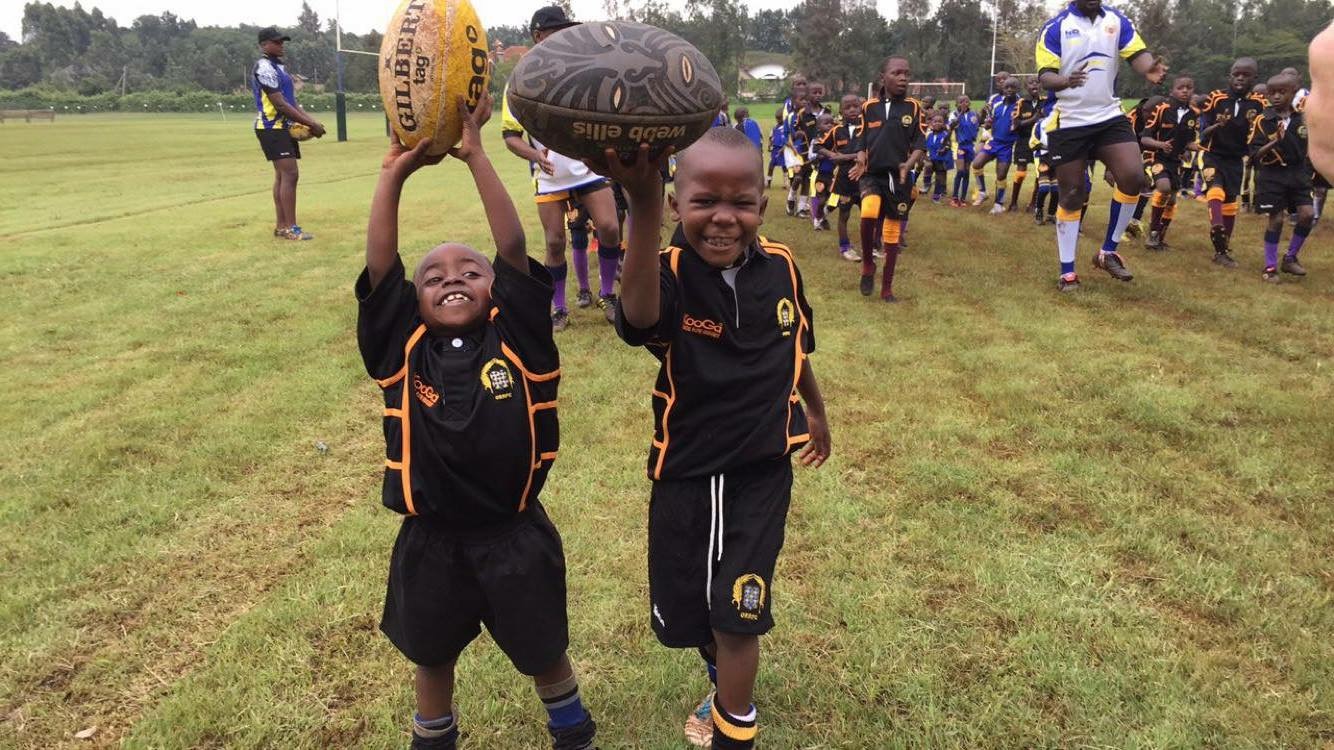
Khelo Rugby, run by Future Hope, is changing this. Operating in over 30 communities in Kolkata, and expanding, the programme uses regular, fun right sessions to build trust with children while teaching life skills. The programme also provides tuition and scholarships where needed to keep children in education.
The children of Khelo Rugby have access to an English language programme using StudyCat, delivered through tablet-based ‘pop-up’ classes supplied by the Anita, Alex and Annabel Nicholson Memorial Fund. Through this, children are given direct access to digital literacy, giving children a transformational skill for the future.
The resulting statistics speak for themselves. Graduation rates among participants have risen from 18% to 80%, and in villages where no one previously had gone to university, 20 children have now been enrolled in further education. This is the kind of statistic The Atlas Foundation is striving for.
The Work Of Atlas
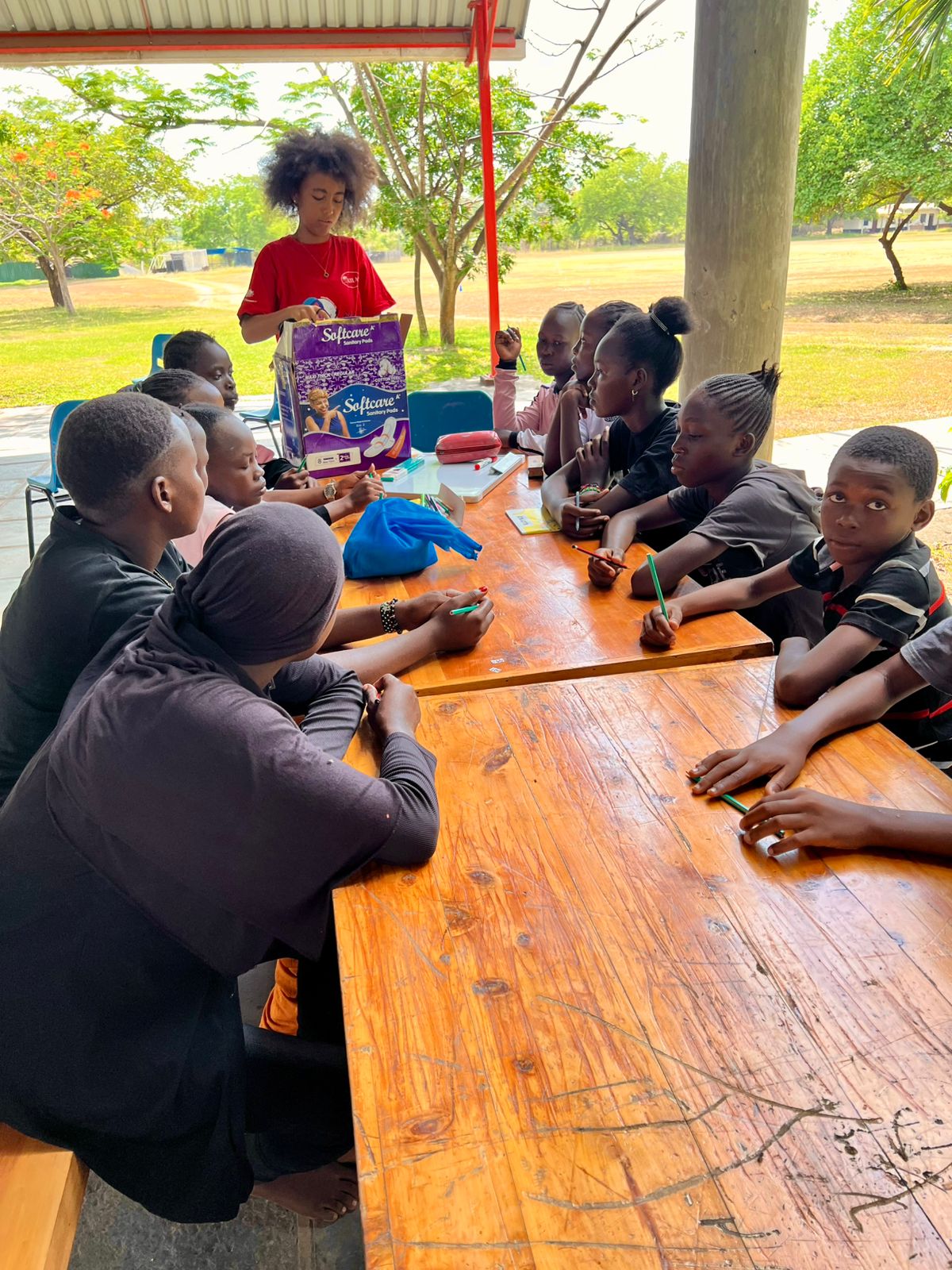
As a children’s charity, The Atlas Foundation works across 21 countries to deliver education, inclusion and health programmes for children and young people who might otherwise be left behind.
Since 2014, Atlas has reached and improved the lives of over 270,000 children. Its programmes run from London to South Africa, and from Cambodia to Argentina, in places where the barriers children face can look very different. In some, it is access to school. In others, it is health, safety or simply having somewhere to belong. Across all of them, Atlas works from the same belief: no child should be left behind.