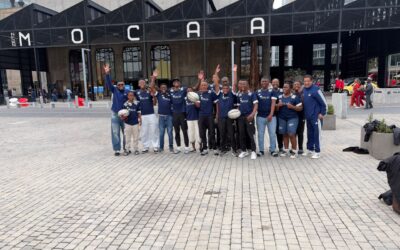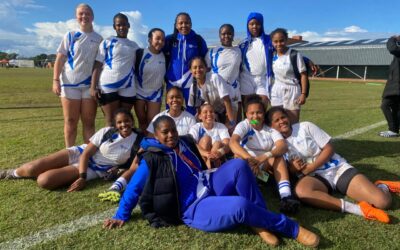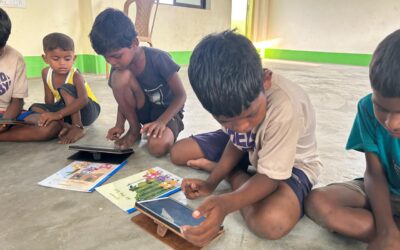
Today, we celebrate the International Day of Sport for Development and Peace – a global moment to sport’s unique ability to drive inclusion, foster peace, and support sustainable development.
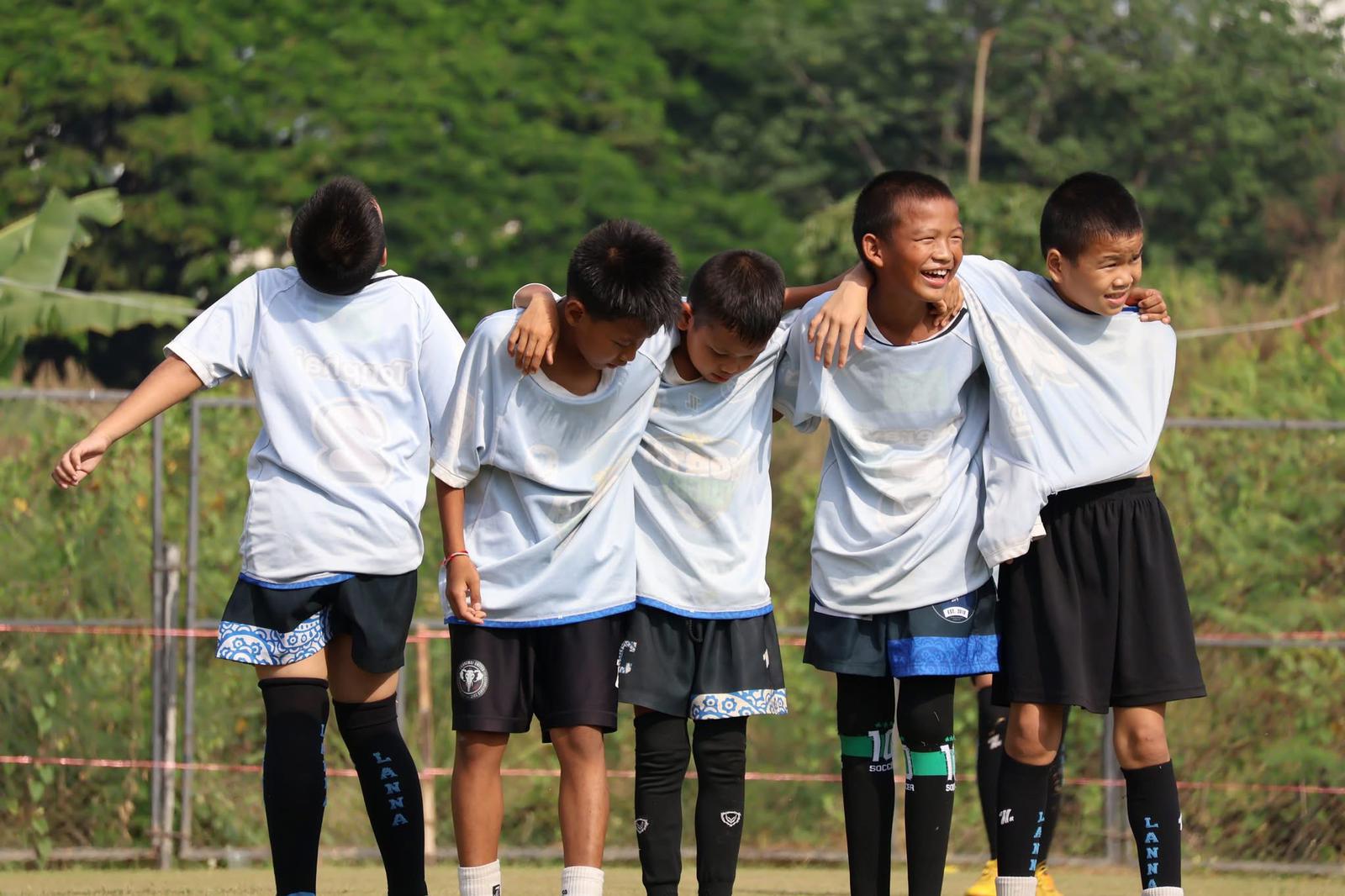
Sport: Building Bridges, Breaking Barriers
The International Day of Sport for Development and Peace reflects the growing recognition by the United Nations of sport’s powerful role in advancing human rights and promoting social and economic progress.
This year’s theme, “Sport: Building Bridges, Breaking Barriers”, highlights sport’s unmatched ability to unite communities, create opportunities, and inspire hope in an increasingly divided world.
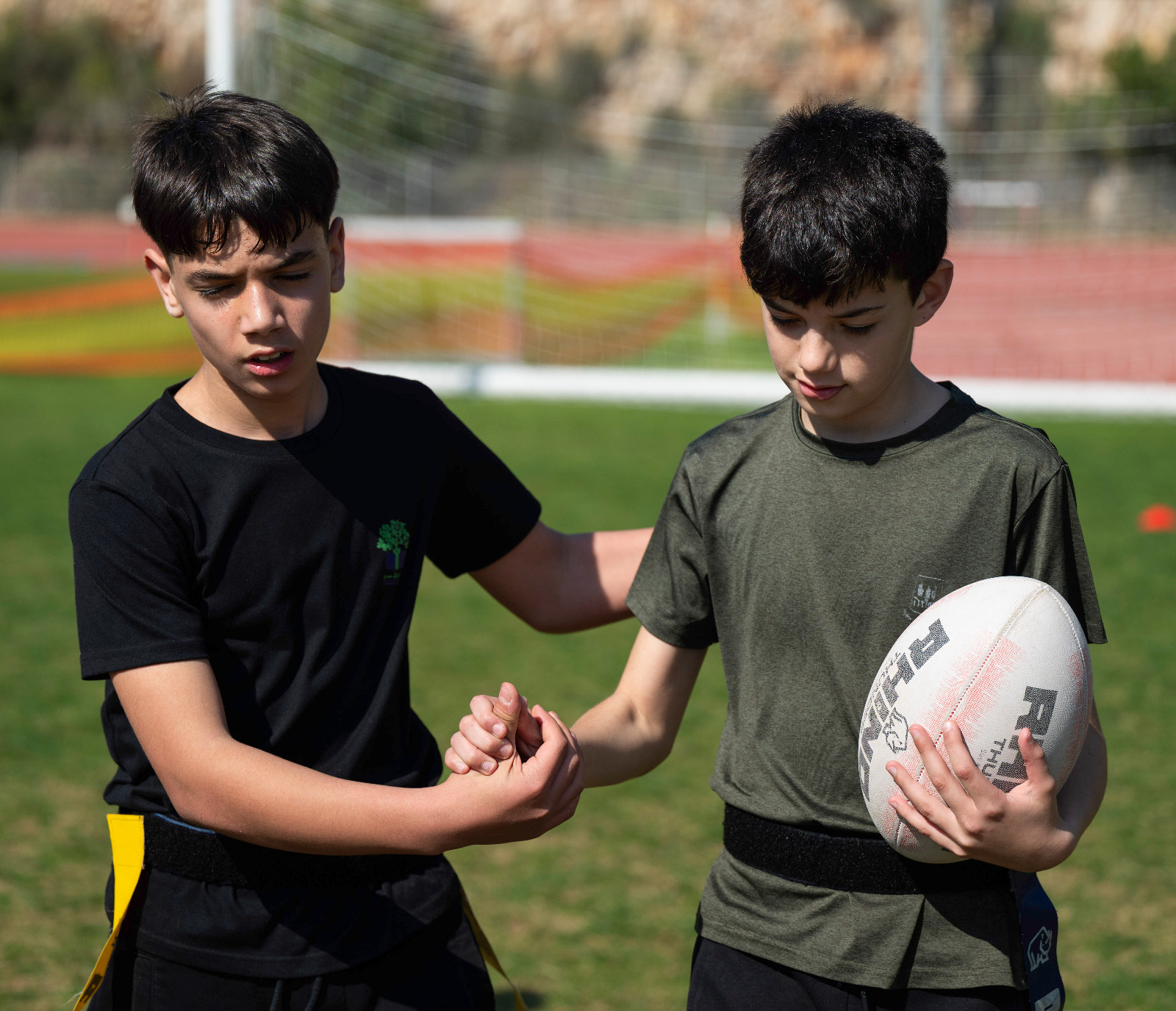
As a universal language that transcends cultural, social, and boundaries, sport serves as a powerful catalyst for social transformation. Sport connects communities across borders and generations, reducing isolation among marginalized groups, and creating spaces for dialogue, solidarity, and mutual respect.
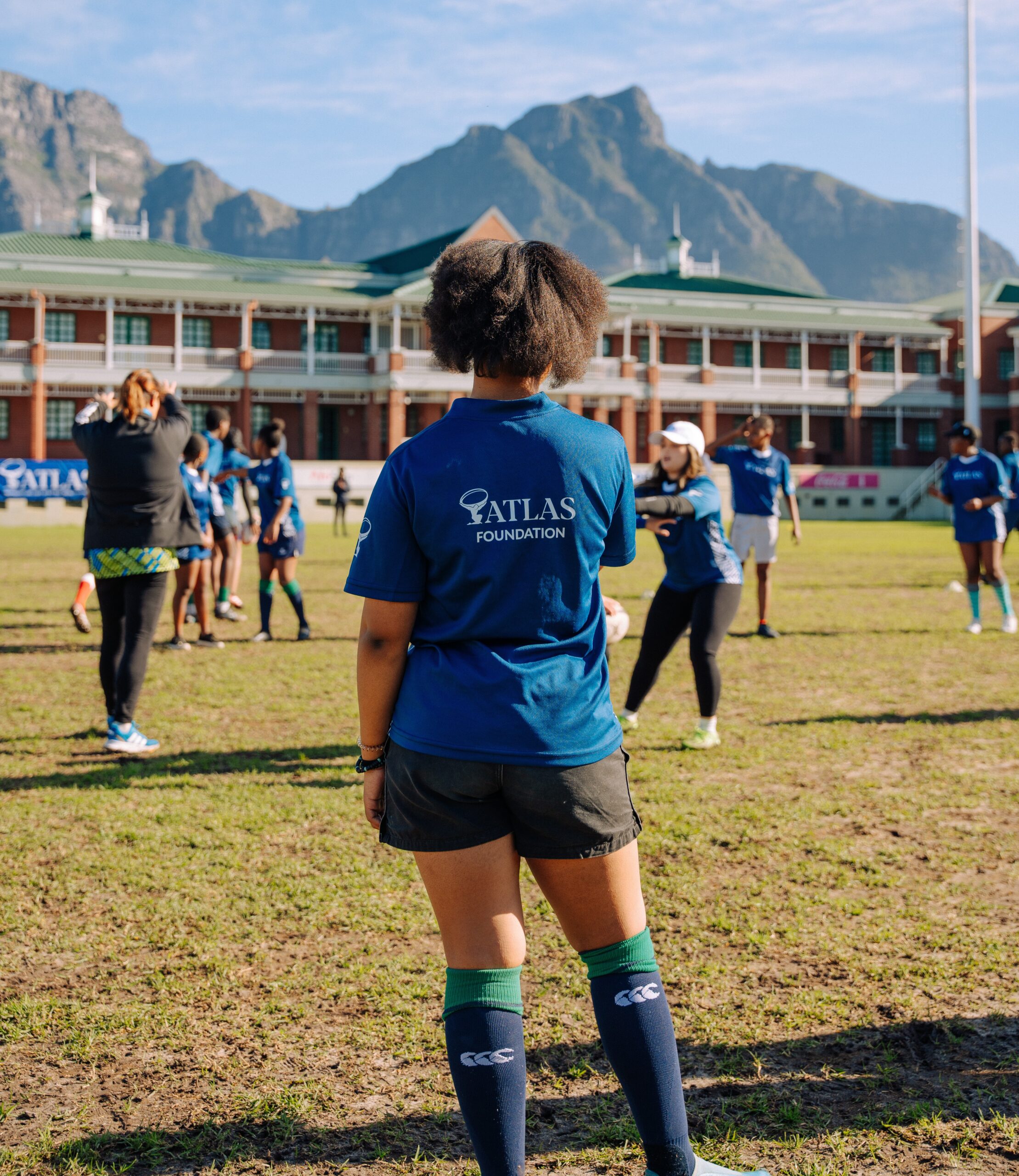
At The Atlas Foundation, we see firsthand how sport, in particular rugby, can contribute meaningfully to the UN’s 2030 Agenda for Sustainable Development.
From improving health and well-being to advancing gender equality, reducing inequalities, and building peaceful, inclusive communities, rugby is far more than just a game.
It is a tool for transformation.
Rugby helps children overcome trauma, rebuild confidence, and find their voice. It promotes physical and mental well-being, encourages teamwork and respect, and instils values that extend far beyond the pitch.
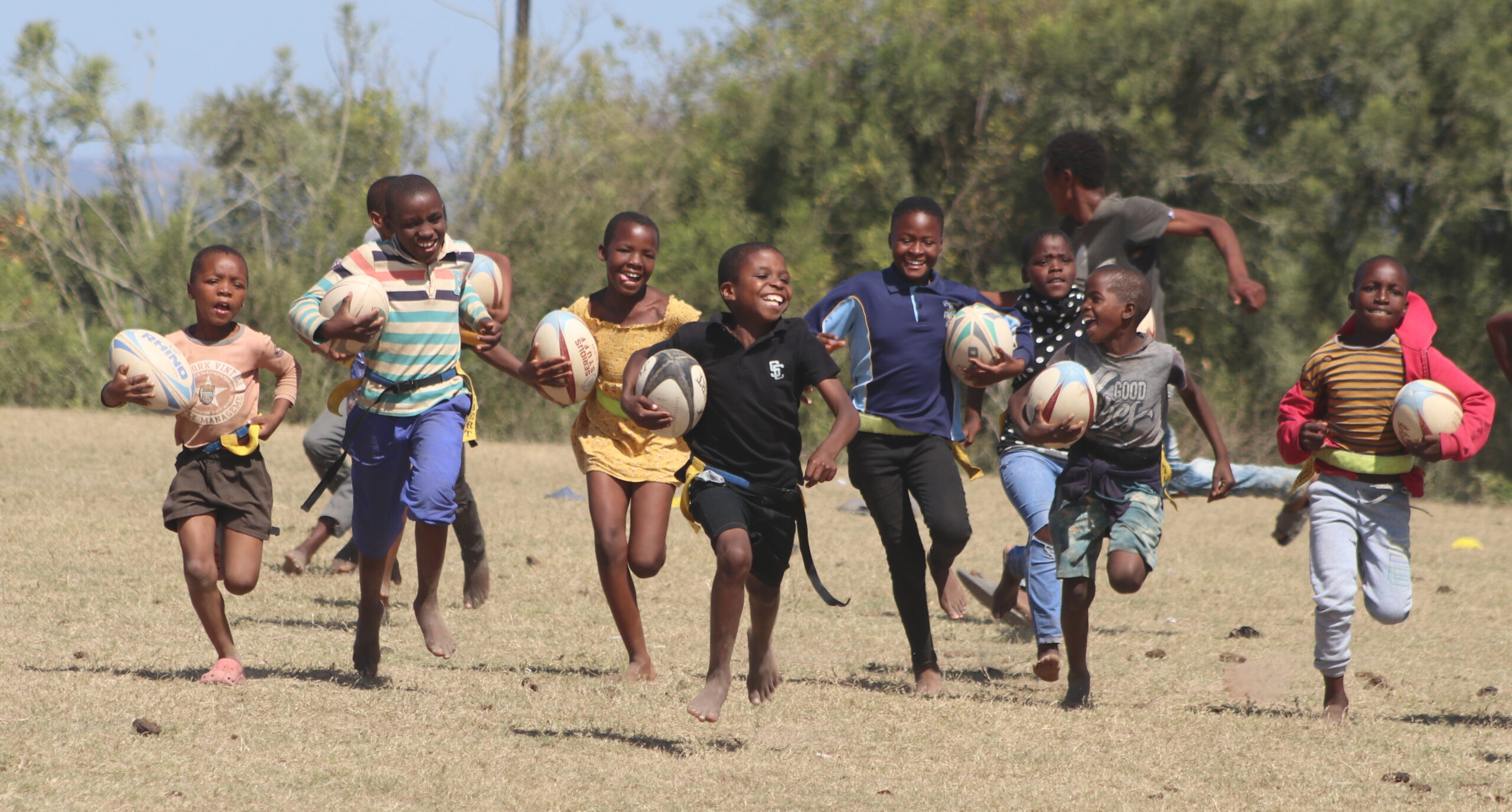
Since 2014, Atlas has been driving sustainable development initiatives to improve the lives of children living in extreme poverty worldwide.
We have proven that rugby can be a mobiliser for health, education and inclusion for children in all corners of the world.
To date, we have reached over 278,000 children across 21 countries, with that number continuing to grow.
As a universal language that transcends cultural, social, and boundaries, sport serves as a powerful catalyst for social transformation. Sport connects communities across borders and generations, reducing isolation among marginalized groups, and creating spaces for dialogue, solidarity, and mutual respect.
At The Atlas Foundation, we see firsthand how sport, in particular rugby, can contribute meaningfully to the UN’s 2030 Agenda for Sustainable Development.
From improving health and well-being to advancing gender equality, reducing inequalities, and building peaceful, inclusive communities, rugby is far more than just a game.
It is a tool for transformation.
Rugby helps children overcome trauma, rebuild confidence, and find their voice. It promotes physical and mental well-being, encourages teamwork and respect, and instils values that extend far beyond the pitch.
Since 2014, Atlas has been driving sustainable development initiatives to improve the lives of children living in extreme poverty worldwide.
We have proven that rugby can be a mobiliser for health, education and inclusion for children in all corners of the world.
To date, we have reached over 278,000 children across 21 countries, with that number continuing to grow.
Our Inclusive Mission
Central to our mission is inclusivity. Rugby traverses the world, allowing us to reach children from all backgrounds, regardless of race, religion, or gender. We are proud to ensure that no child is excluded, and we firmly believe lasting peace and development can only be achieved when equality and inclusion are prioritised.
Meaningful change also requires collaboration. We recognise that the challenges children face cannot be solved from afar. That’s why we work closely with local community organisations, rugby clubs, and grassroots charities to deliver targeted, culturally relevant support where it is needed most.
So, on this universally recognised day, we celebrate the progress we’ve made, but we also acknowledge that there is still much more to be done.
Together, we can continue to harness the power of sport to change lives.